
From Three Stars to Two: Reviewing The Inn at Little Washington After A Major Michelin Upset
When Michelin quietly confirmed that The Inn at Little Washington had dropped from three stars to two, it hit the fine dining world like an earthquake, especially because it happened alongside two other icons, Alinea and Masa, losing their third stars as well.
So we did what any overly curious food-obsessed team would do: we went to test the full experience and we went all in.
Background, Chef, and the “Why”
The Inn at Little Washington is Chef Patrick O’Connell’s life’s work. It began in 1978 as a humble concept in a tiny Virginia town (about an hour outside of Washington D.C.) and grew into an internationally recognized destination that helped define “special occasion” dining in America.
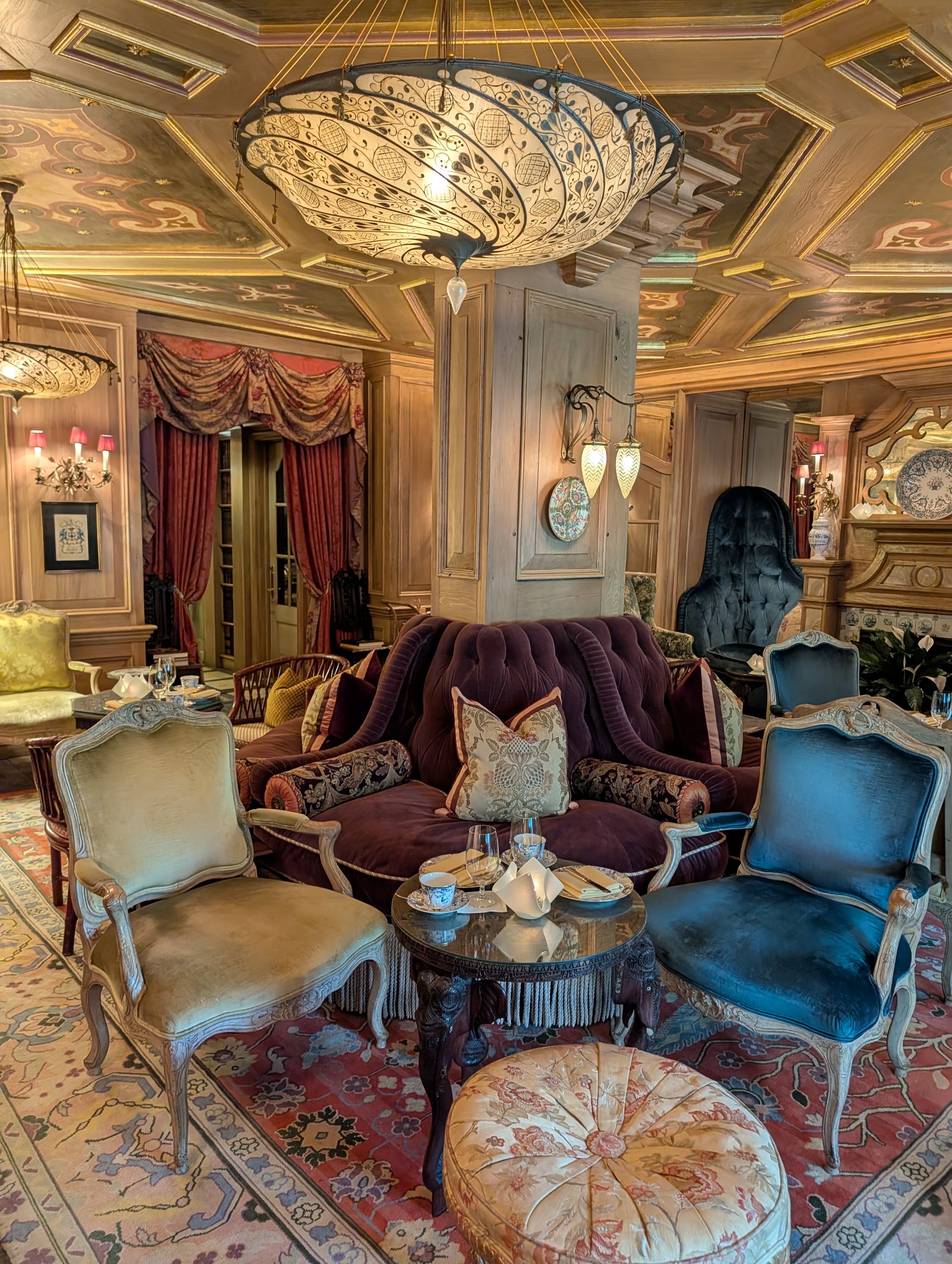
The food has always been a blend of American ingredients with French technique, served with whimsy, warmth, and a sense of theatrical charm. Michelin itself describes dinner here as a throwback to “another era,” complete with maximalist decor, luxury carts, and enduring signature dishes. The full 2026 description from Michelin:
The iconic Chef Patrick O’Connell has long been the steward of this idyllic restaurant outside Washington, D.C. In a town whose very existence seems tied to his success, dinner here recalls another era. The dining room is a celebration of maximalist décor and stately grandeur.
The menu offers an array of signature preparations, such as the vegetable-forward ratatouille from the garden with roasted garlic custard, the contemporary-minded, tomato-cured hamachi in watermelon gazpacho, and the enduring classic of lobster mousse wrapped in Savoy cabbage dressed with caviar beurre blanc. And all throughout, roaming bread and cheese carts are a reminder of a luxury that’s less and less common.
The Town of Little Washington
Little Washington (yes, that’s really the town name) is tiny. It is so tiny that the restaurant’s gravitational pull is basically the reason many people know it exists. As Michelin even notes, “the town’s very existence seems tied to his success.”
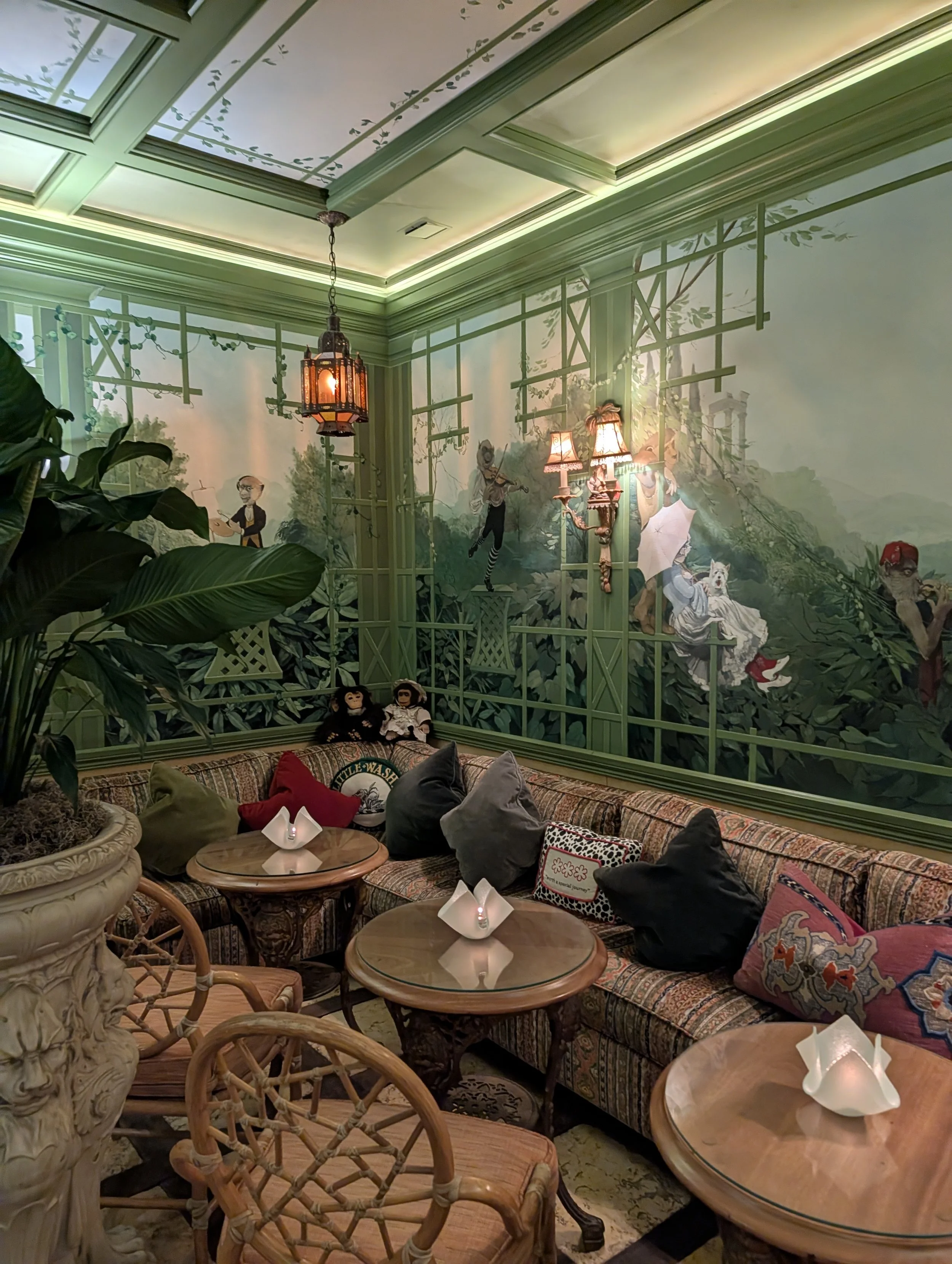
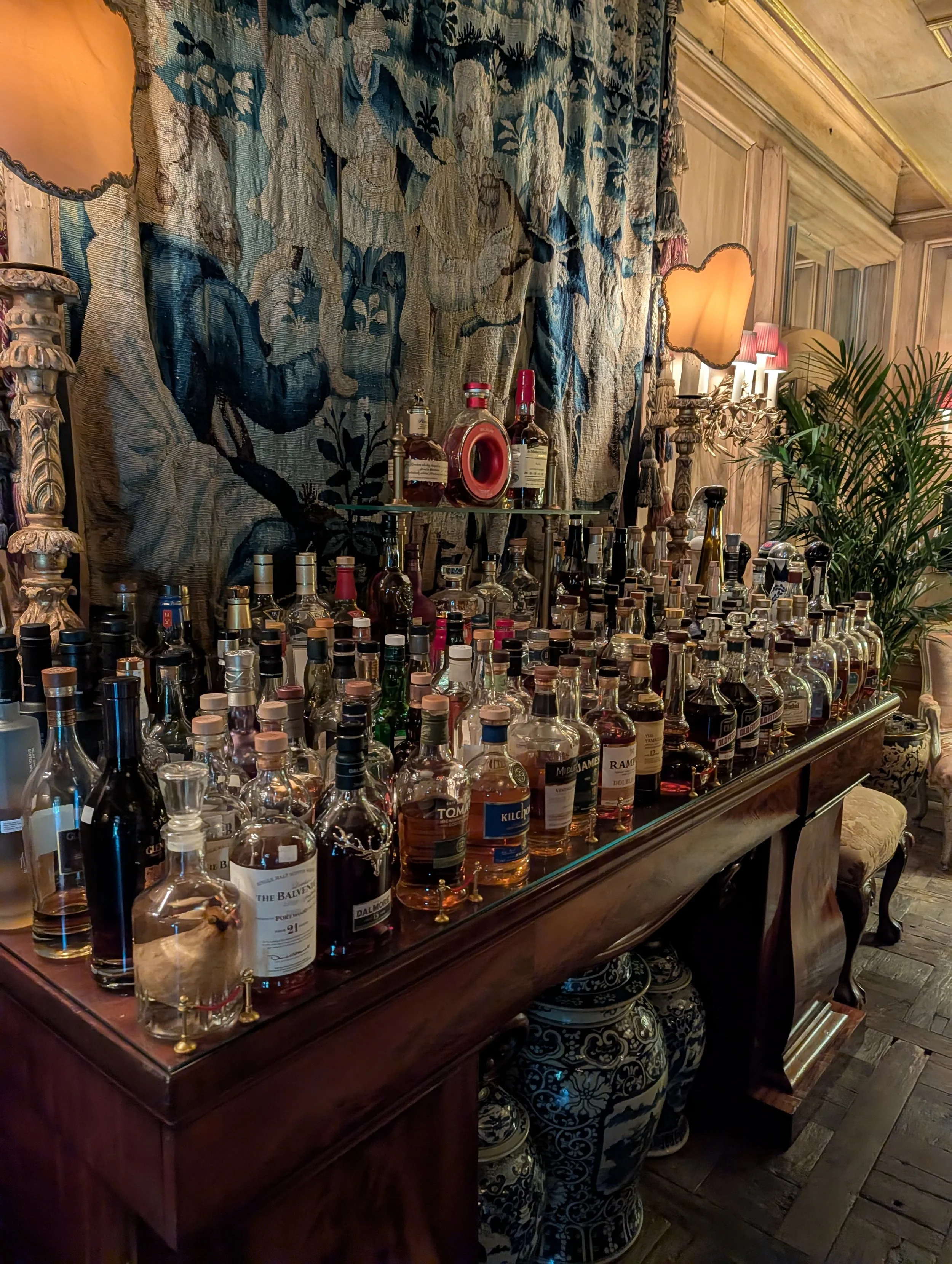
Over time, the Inn has expanded beyond a dining room into a full-fledged destination with multiple experiences, a sense of lore, and a reputation as one of the most important restaurants in America. It has turned the town into a getaway destination.
A Quick Note on the Hotel
The Inn isn’t just a restaurant. It’s also a highly regarded hotel experience. But this article focuses on the restaurant only. We’ll do a separate deep-dive review of the five-star hotel in a follow-up post.
Accolades and the News That Shook Fine Dining
After 7 years with 3 Michelin Stars, the Inn at Little Washington is now listed as Two Stars: Excellent cooking in the Michelin Guide. And yes, it was part of a headline-making trio of downgrades that included Alinea (Chicago) and Masa (New York) dropping from three to two. You know us - we have experienced each of the restaurants, so we absolutely had thoughts on this and knew we had to investigate.
So, to really test what was going on, we didn’t just go for a regular reservation…
How We Tested It: The Kitchen Tables
Because this was such an upset, we brought a small team of reviewers and booked the Kitchen Tables, the restaurant’s most immersive seating.
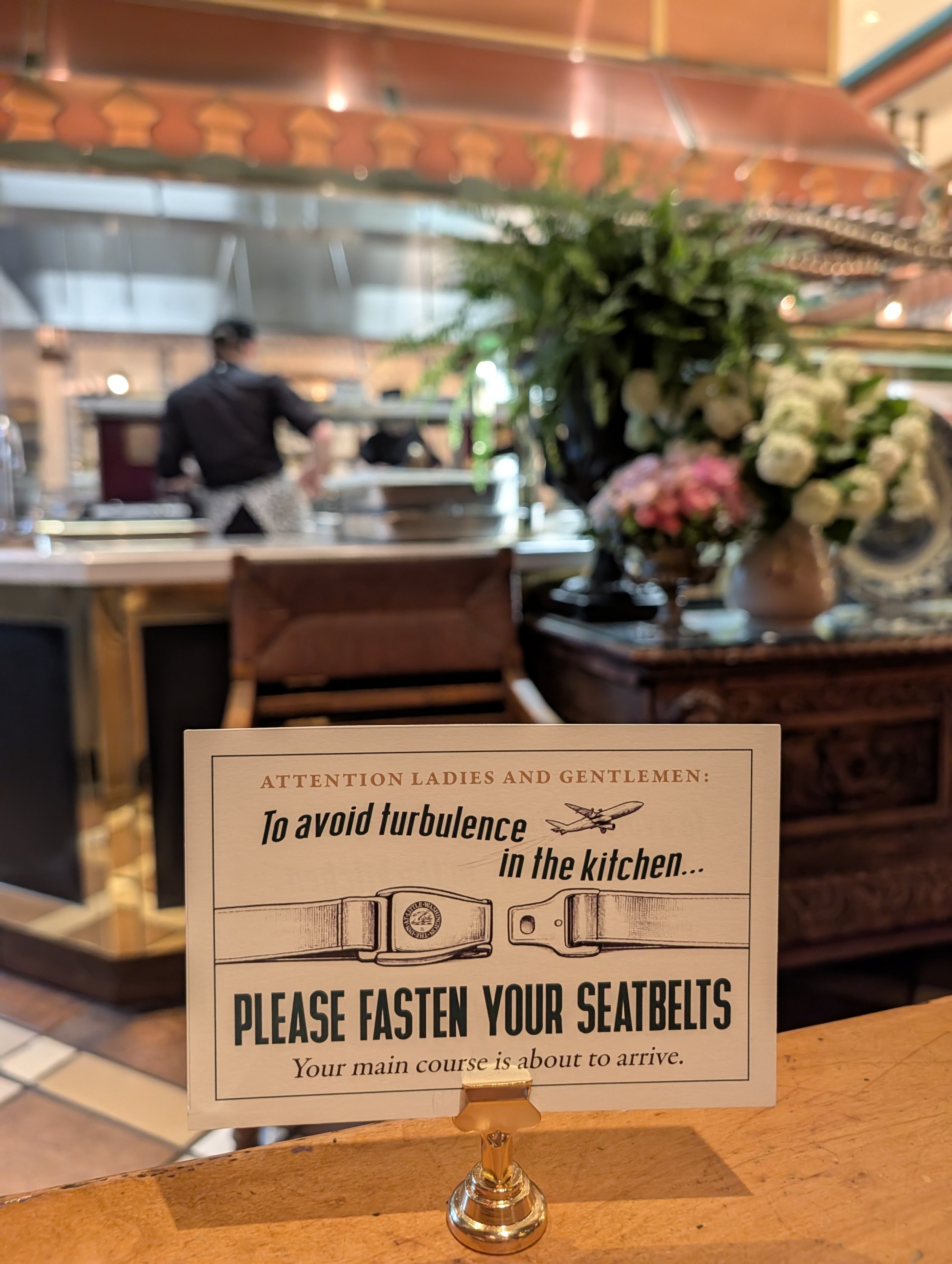
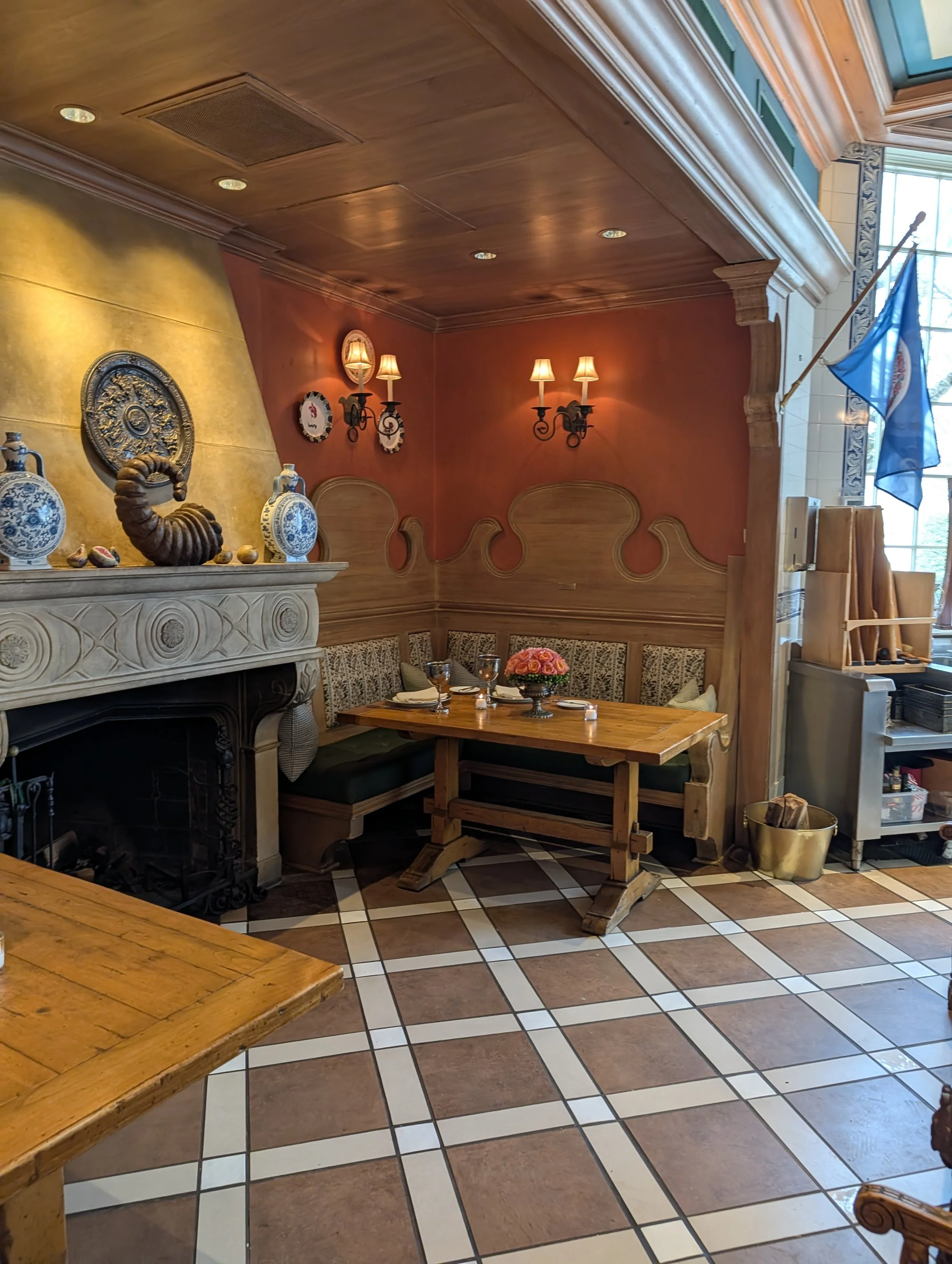
The Kitchen Tables are exactly what they sound like: two private tables located inside the kitchen, nestled beside a fireplace, seating up to six each (12 total maximum). Even walking into the kitchen tables is an experience where you are escorted through the lounge, are taken behind closed doors, and then are greeted by an altar boy blessing you with incense. That sets the vibe for the dramatic details, such as the Gregorian chants that play throughout the kitchen and the silver chalices you drink your water out of. No detail is too small to be customized.
There’s also a $750 surcharge per table for the experience. It’s dinner plus a show, a front row seat to watching the kitchen move in real time, with the energy, choreography, and precision right in front of you.
The Menus: Three Tasting Options, Split-Tested
The Inn offers three tasting menus, and our group intentionally opted for different selections to get a broader read on the current experience:
Here and Now – the seasonal menu built around what’s freshest right now, often sourced locally
Our Enduring Classics – signature dishes spanning decades of the Inn’s legacy
The Good Earth Menu – the restaurant’s vegetable-forward menu
Our group focused primarily on Enduring Classics and Here and Now, because that’s where the Michelin question feels most relevant: the legacy vs. the present.
The Food: Beautiful, No Misses
Here’s the truth: the food was excellent.
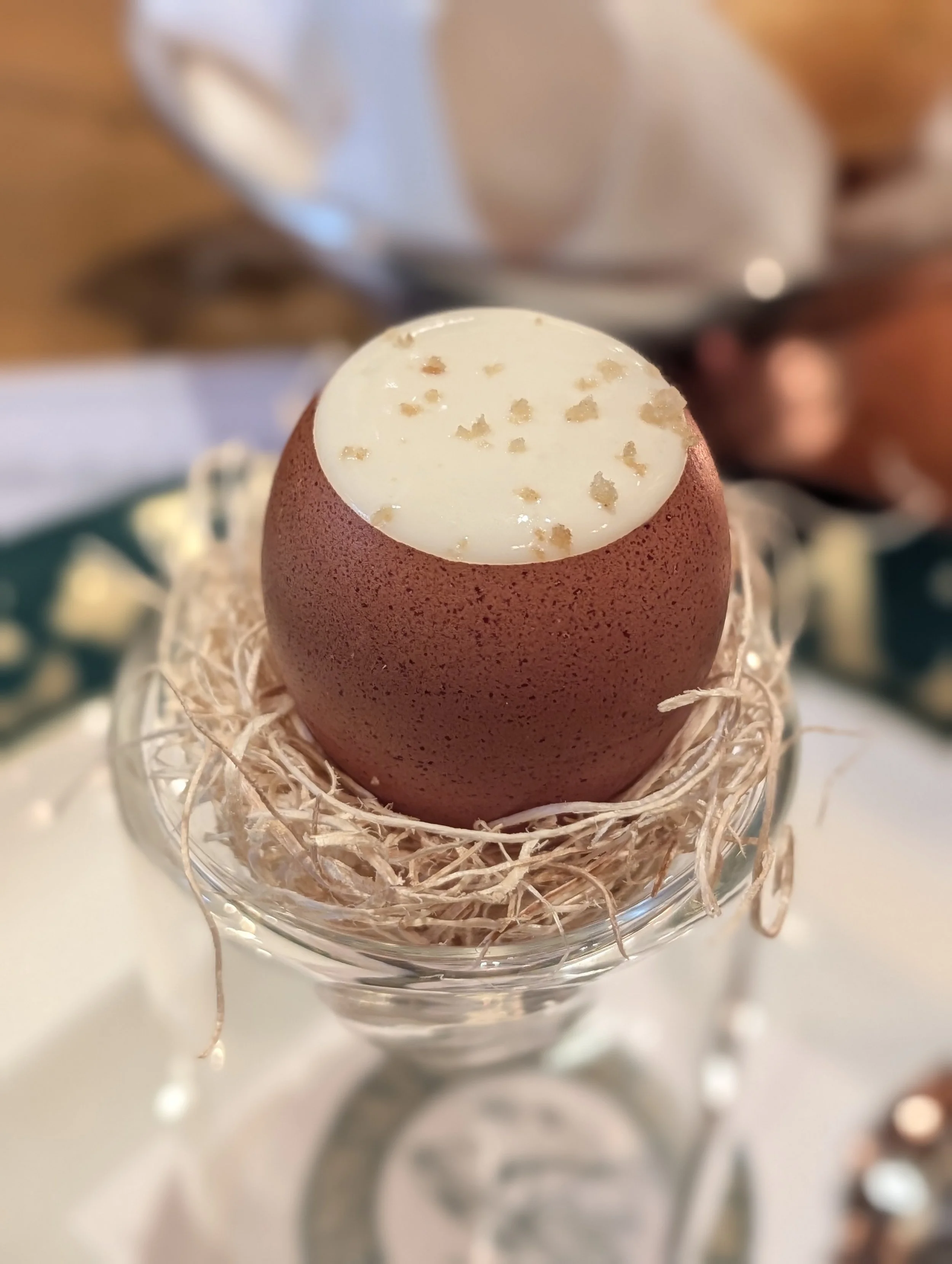
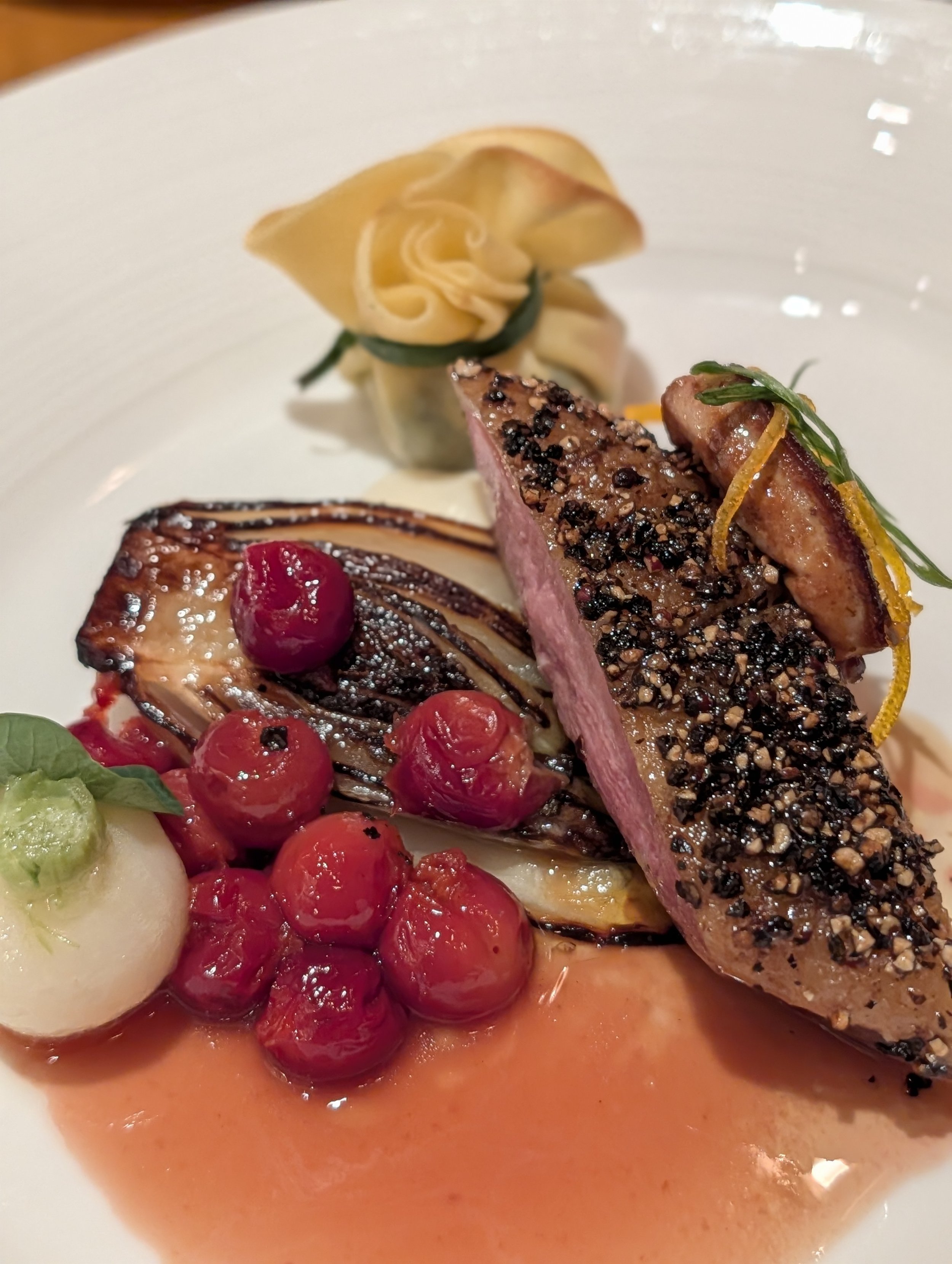
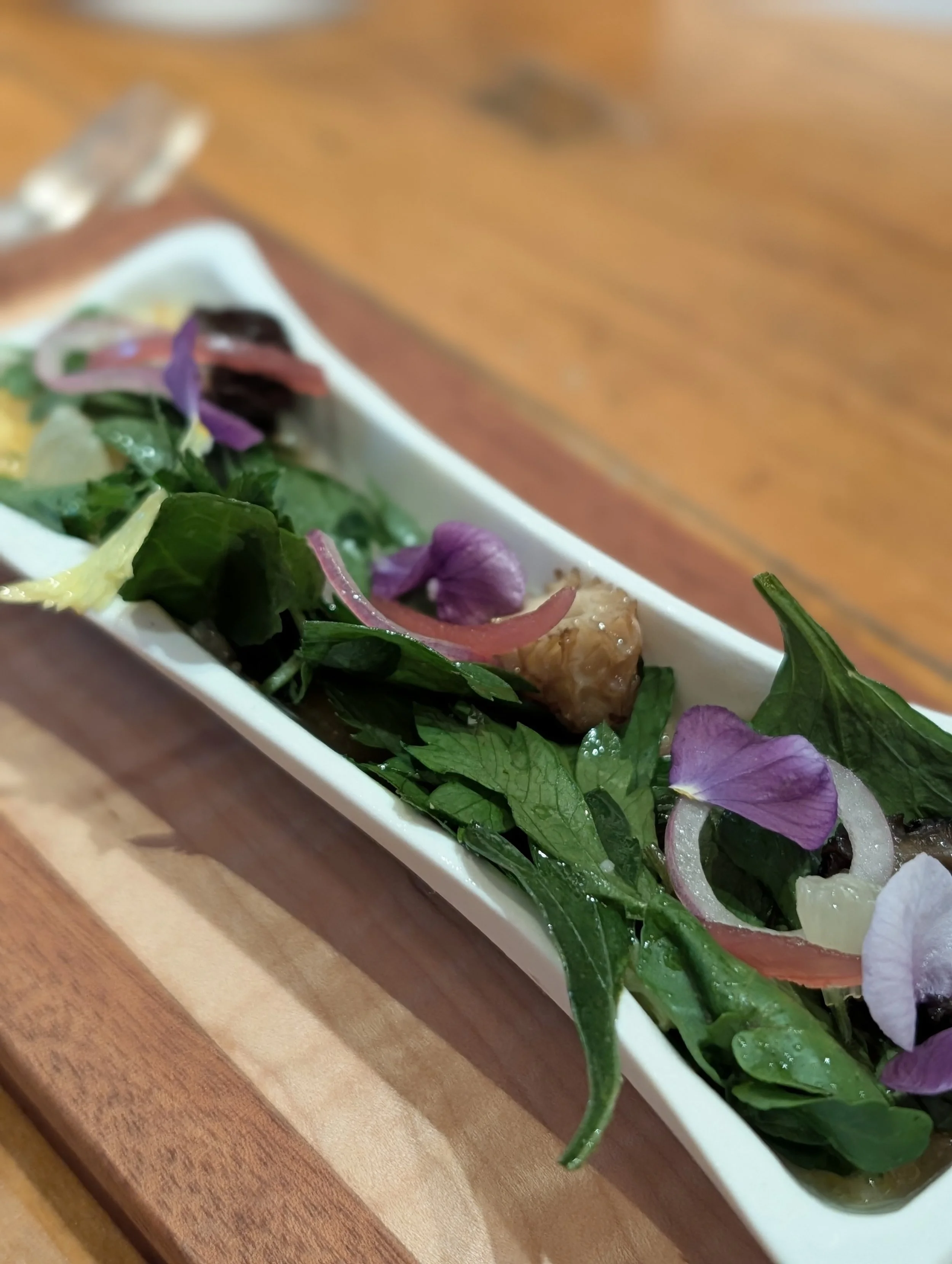
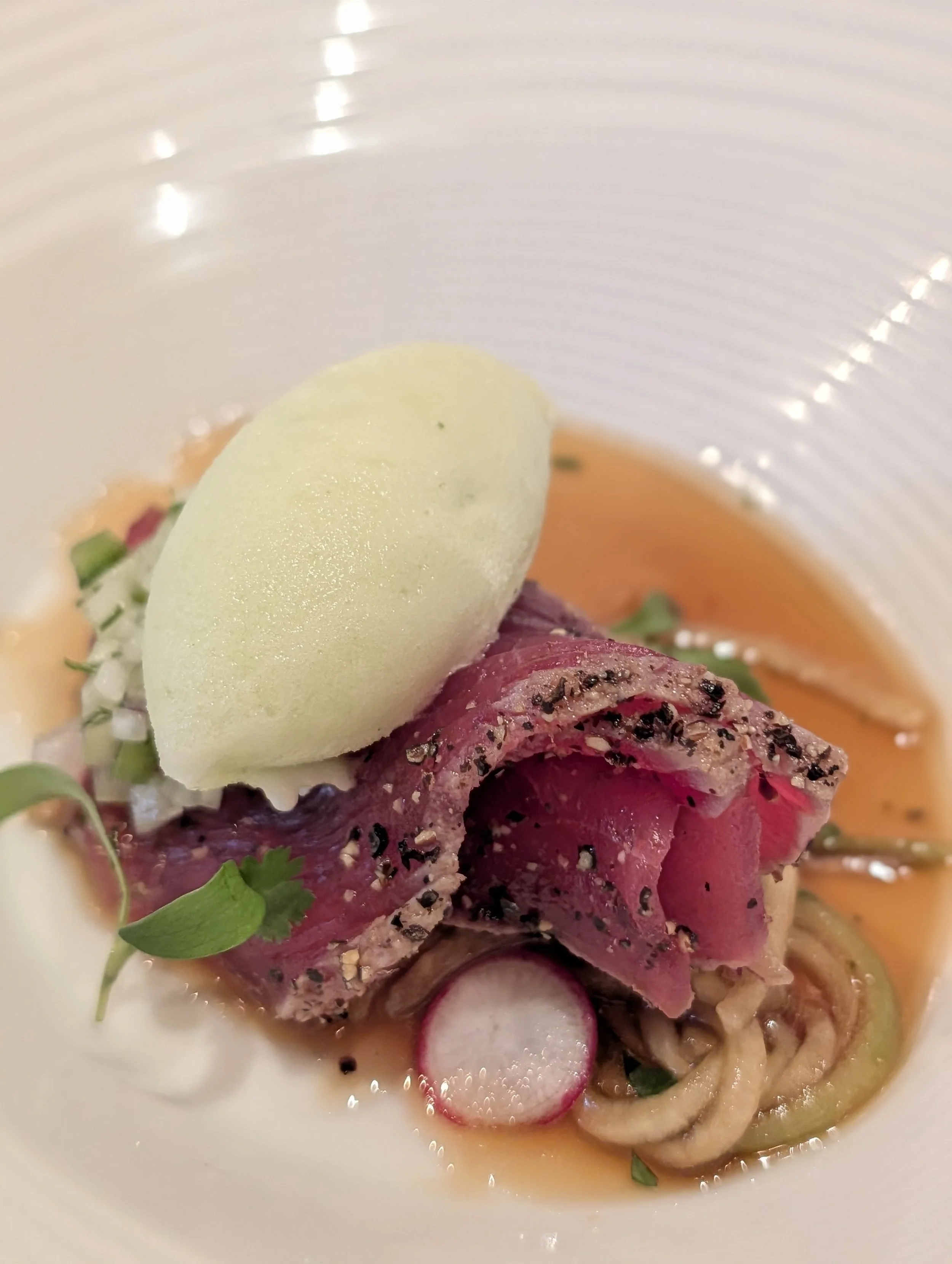
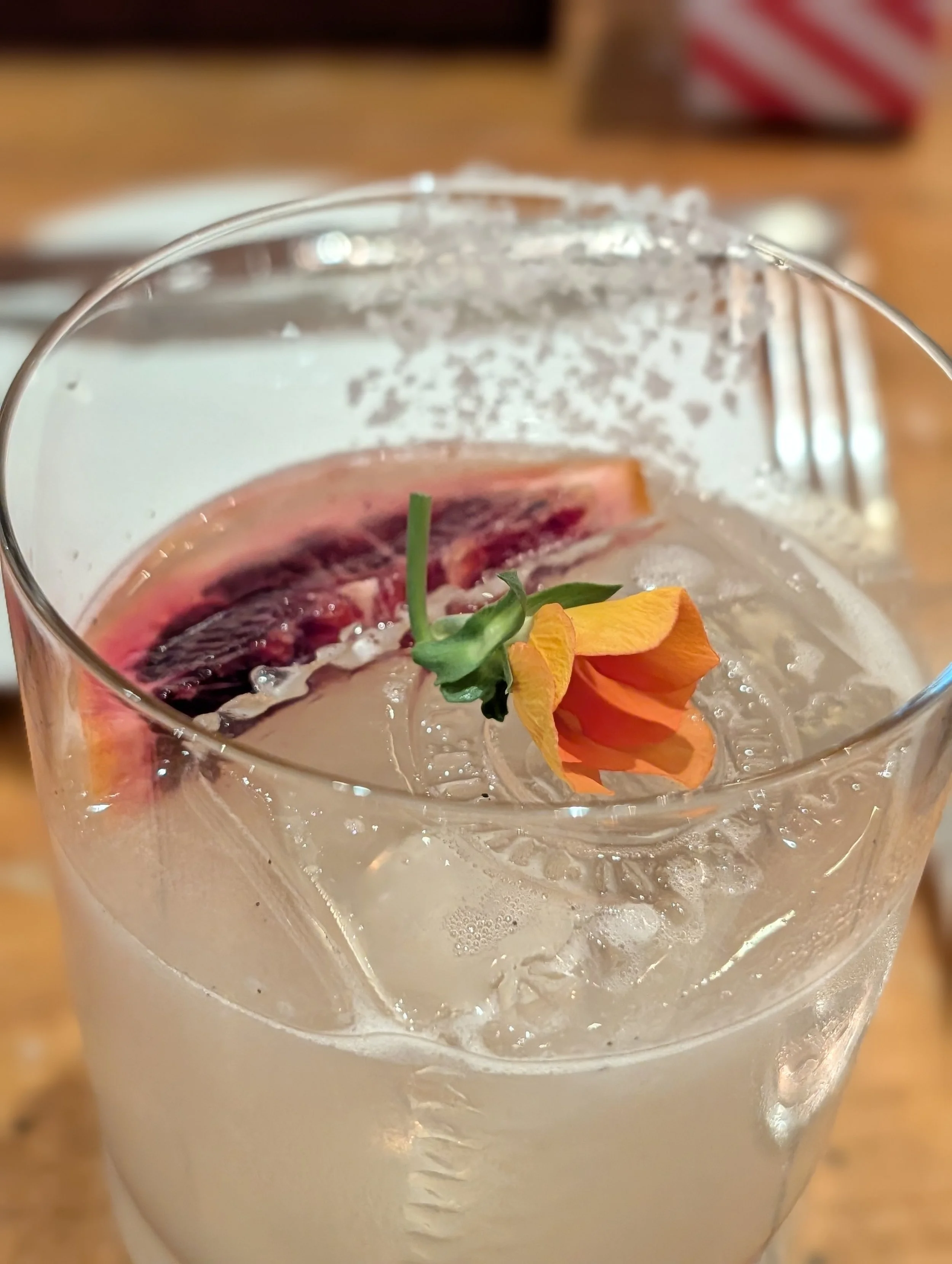
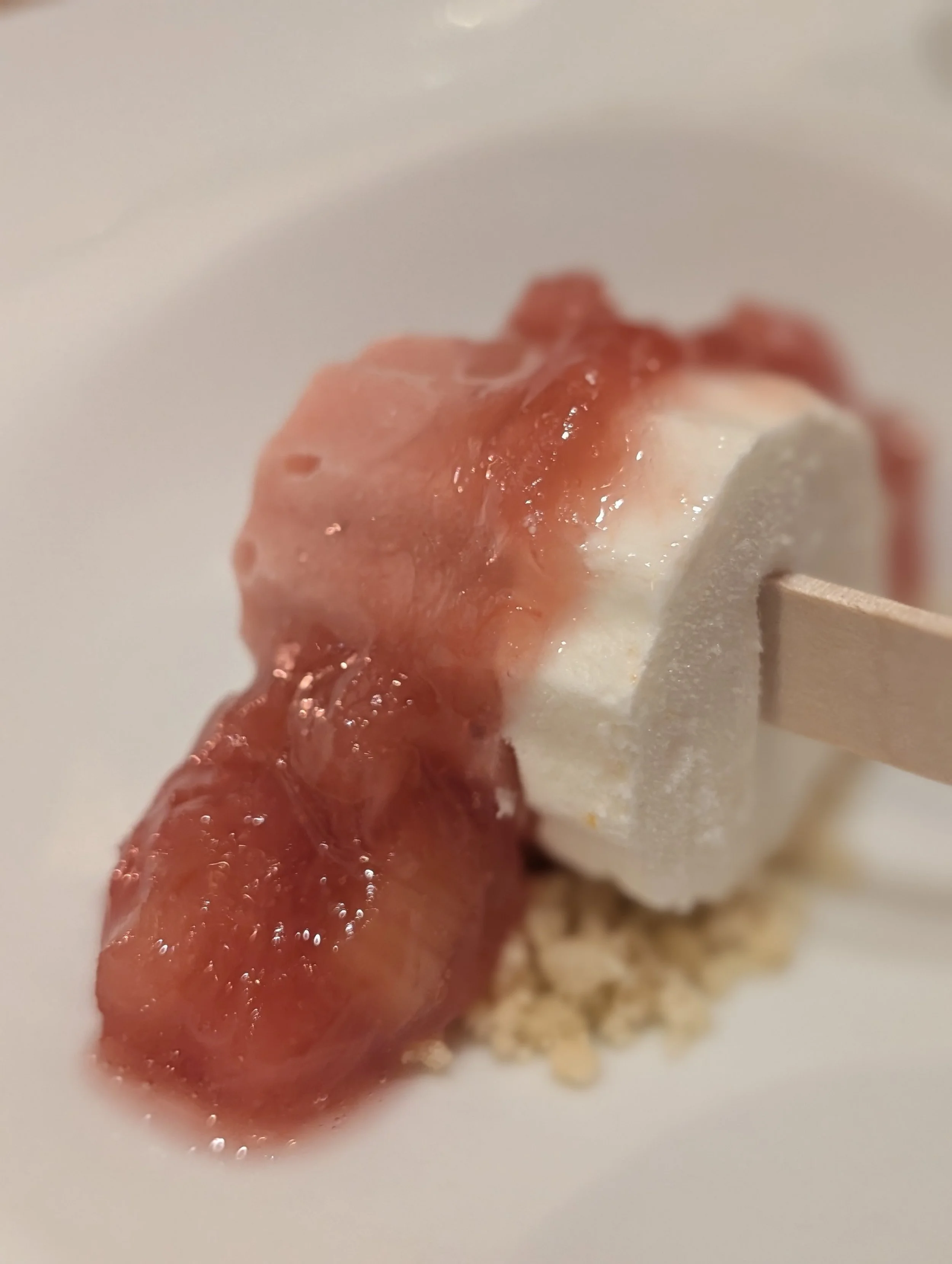
Plating is elegant and inviting. The flavor profiles are refined but not sterile. And most importantly: there were no misses. There was no “filler” course, no awkward dish that felt like it didn’t belong. Sometimes these restaurants can be variable, but we found this menu to be consistent.
Across menus, the cooking showed:
deep technical control
thoughtful compositions
confident seasoning and balance
a strong sense of identity (it still feels like “The Inn”)
delicious taste (we’re shocked how often fine dining establishments forget this as the heart of the experience)
The Michelin Guide itself highlights the restaurant’s commitment to signature preparations and notes it remains a grand, classic experience.
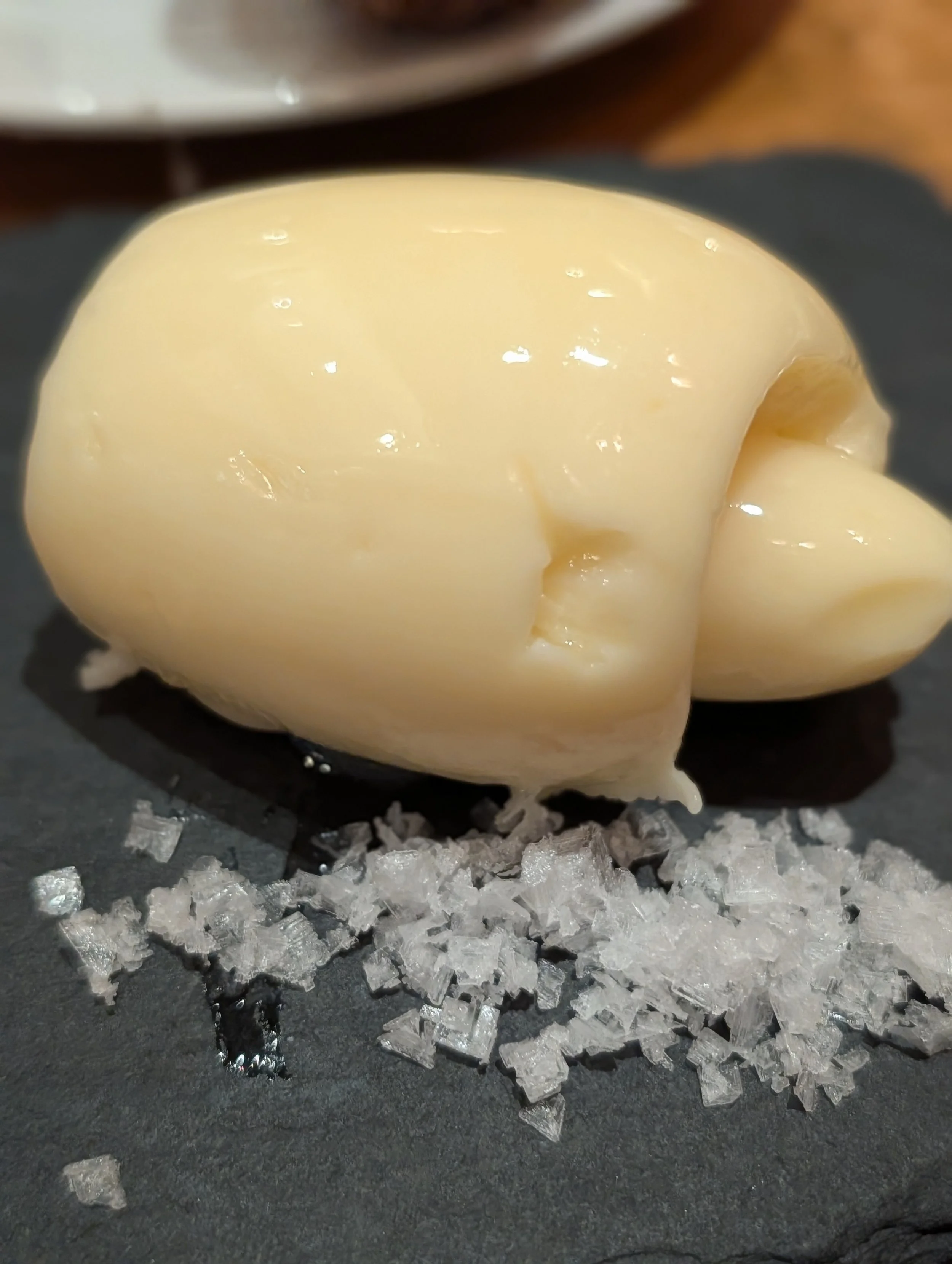
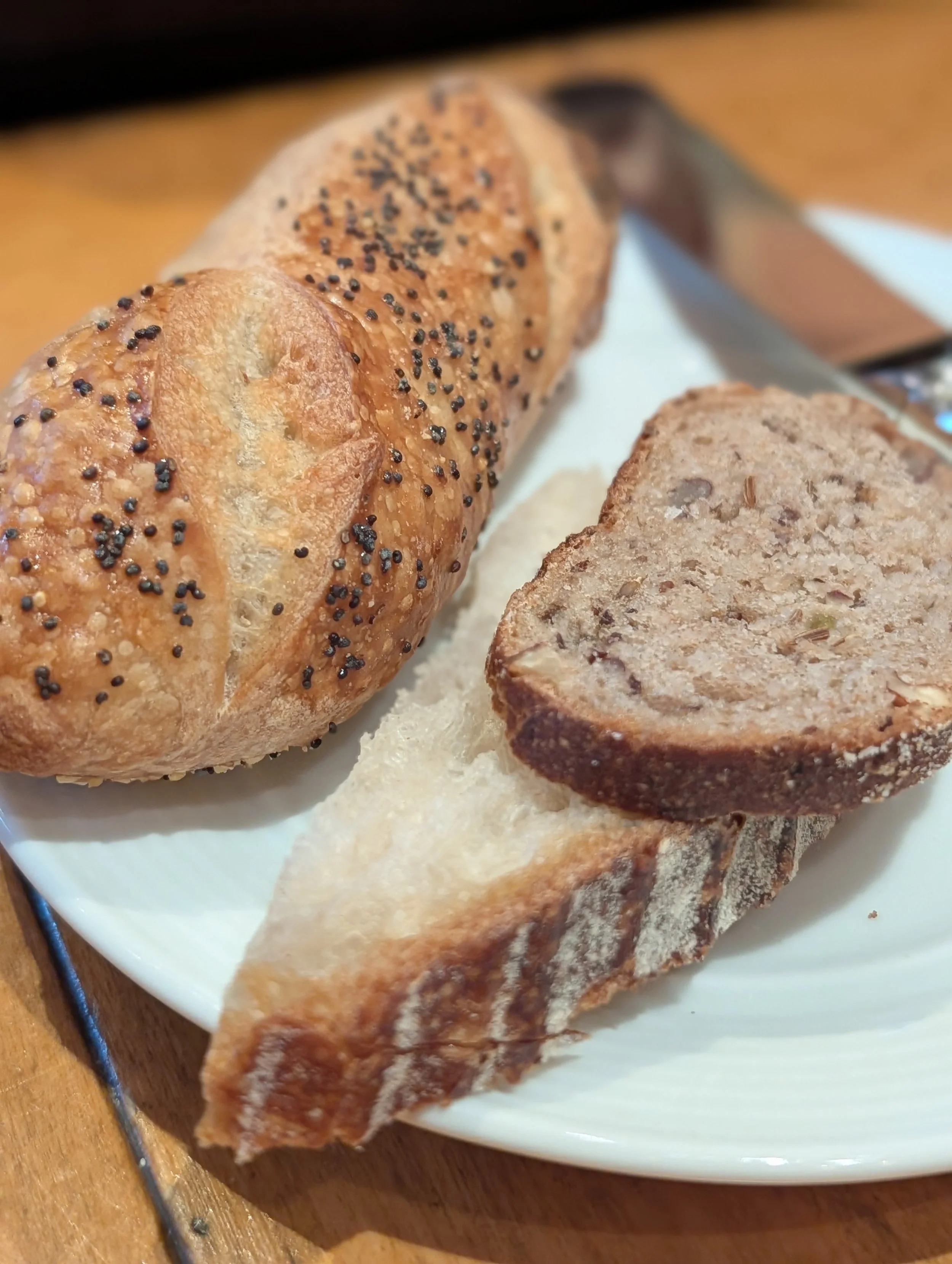
Service and Experience: Fully Polished
Service was one of the most consistent strengths. It was attentive without hovering, formal without stiffness, and paced in a way that felt celebratory rather than rushed. Sitting at the Kitchen Tables elevated this further. You get a front-row seat to the choreography of the staff and the calm intensity of the kitchen. We really felt we were able to judge the quality and care taken by the entire team, even the behind the scenes players who are often the true stars.
It still feels like a destination restaurant.
So Why Did It Lose a Star? Our Take
This is speculation, but based on both our extensive experience (for reference, we ate 25 Michelin stars in 2025 alone) and Michelin’s broader pattern in recent years, our best guess is:
It’s the format.
The Inn’s tasting experience is shorter than what’s become standard at the three-star level. Many modern 3-star meals are 10+ courses, multi-hour events with layers of “wow” built into the structure. The Inn’s menus are closer to a 5–7 course progression (depending on how you count courses and supplements), which can make the experience feel less expansive, even when the quality is excellent. This leads to a feeling that the Inn is not as ambitious as it was once. Whereas it previously redefined American fine dining, competitors have caught up and guest expectations have evolved.
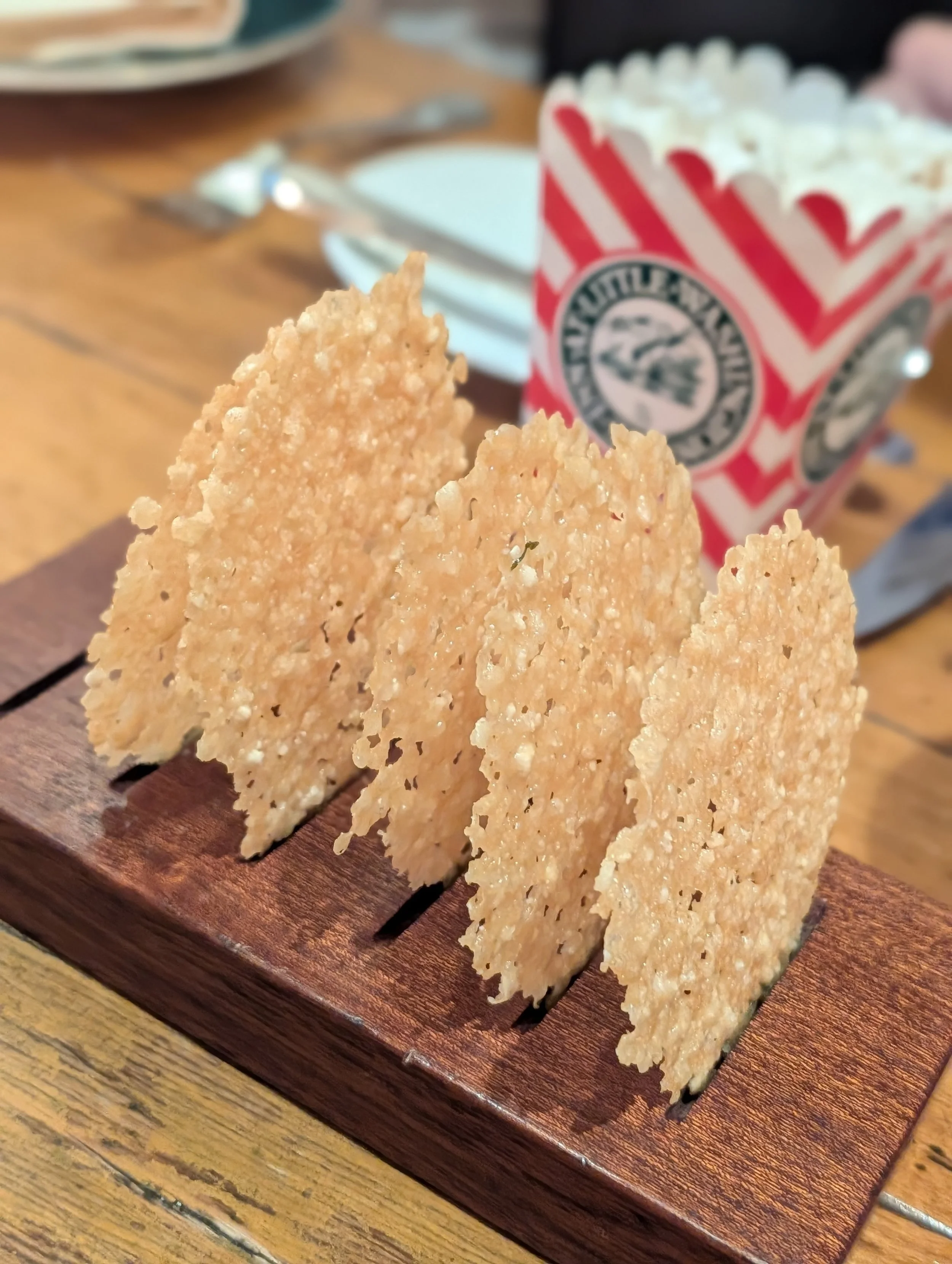
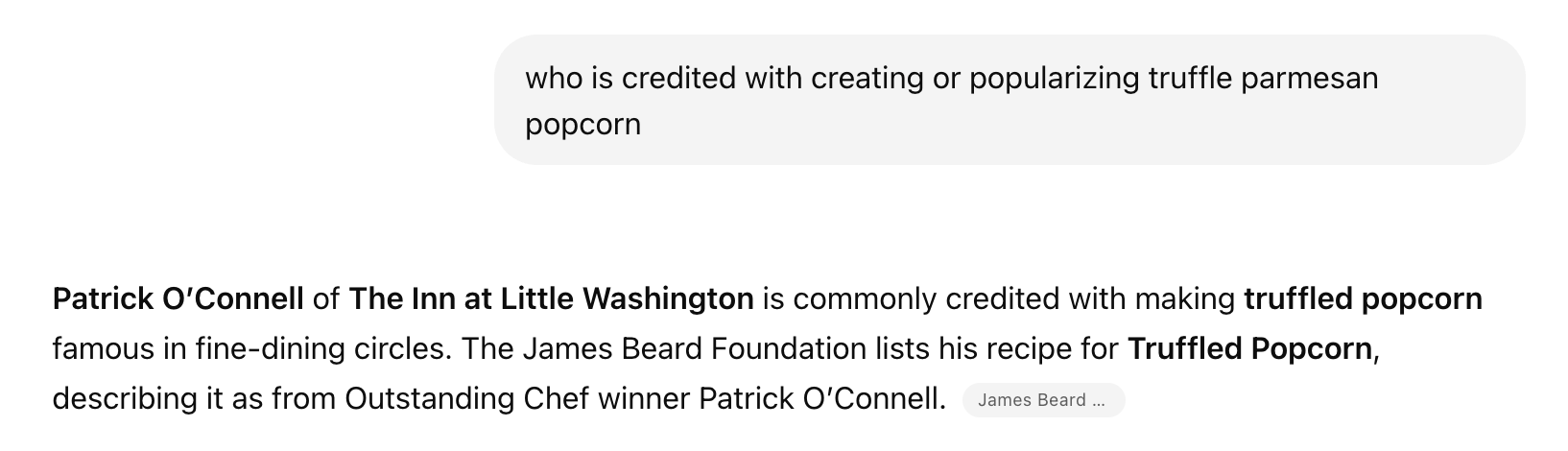
For example, one iconic snack is the truffle popcorn. A quick query seems to confirm that Chef Patrick O’Connell played a significant role in popularizing the dish. However, it has now in fact been popularized. And while it’s still a fun treat (a delicious welcome appetizer that sets the feeling that you’re in for a show) it is no longer an uncommon experience like it once was.
Put differently: it’s not that the food wasn’t good enough. It’s that Michelin’s current interpretation of “three stars” often includes scale, length, innovation, and maximalism as part of the package. It’s not just execution and experience anymore.
Final Verdict: Two Stars Is Probably Fair… But It Could Easily Be Three Again
After testing it seriously, the takeaway from our team of reviewers is:
The Inn is still excellent
The food and service are consistently strong with no weak courses
The downgrade feels more about structure and the evolution modern expectations
So yes, two stars is probably appropriate today. But it also feels like a restaurant that could very easily earn the third star again if it brought back its former ambition and the experience expands in length and “journey” without losing its identity.
We felt that the team had renewed energy, so we’re rooting for this one. We’ll definitely be following along to see what happens.
Join our @midlionnaire Instagram community for more insights and product recommendations
