
How a Tux Should Fit
A great tuxedo should exude confidence. We recently went to SuitSupply and worked one-on-one with one of their tuxedo specialists, and the biggest takeaway was simple: fit is everything. Fabric, buttons, and lapels matter, but if the fit is off, none of it works. Here’s exactly how a tux should fit, head to toe, and what to look for when you’re assessing one.
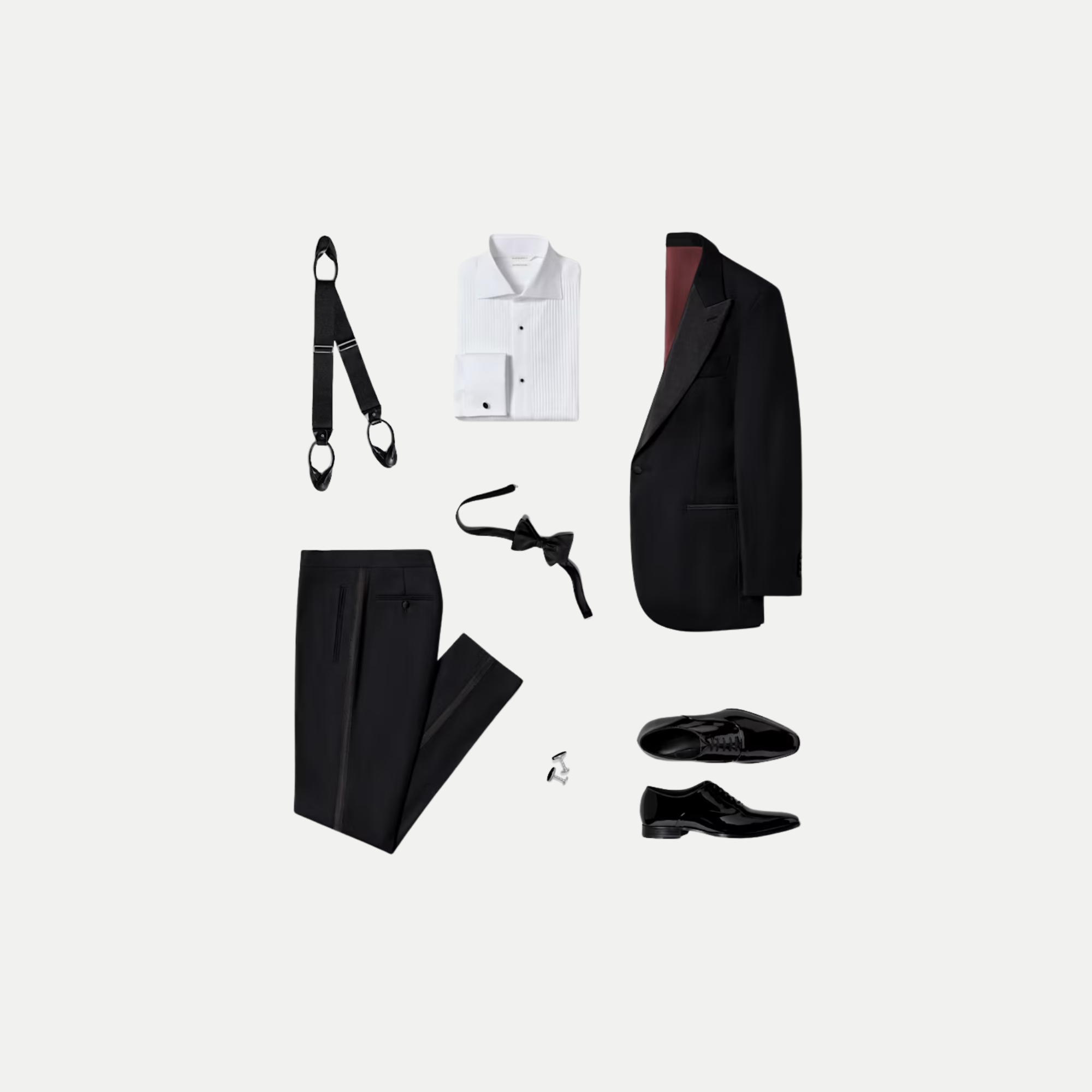
Understanding Sizes
Jacket sizes will feature a number and a letter. For example, 40R means:
40 = chest measurement in inches
R = Regular length (S = Short, L = Long)
Trouser sizes are based on your waist size and length, but similarly come in S, R, and L options.
The Jacket: Where Fit Is Won
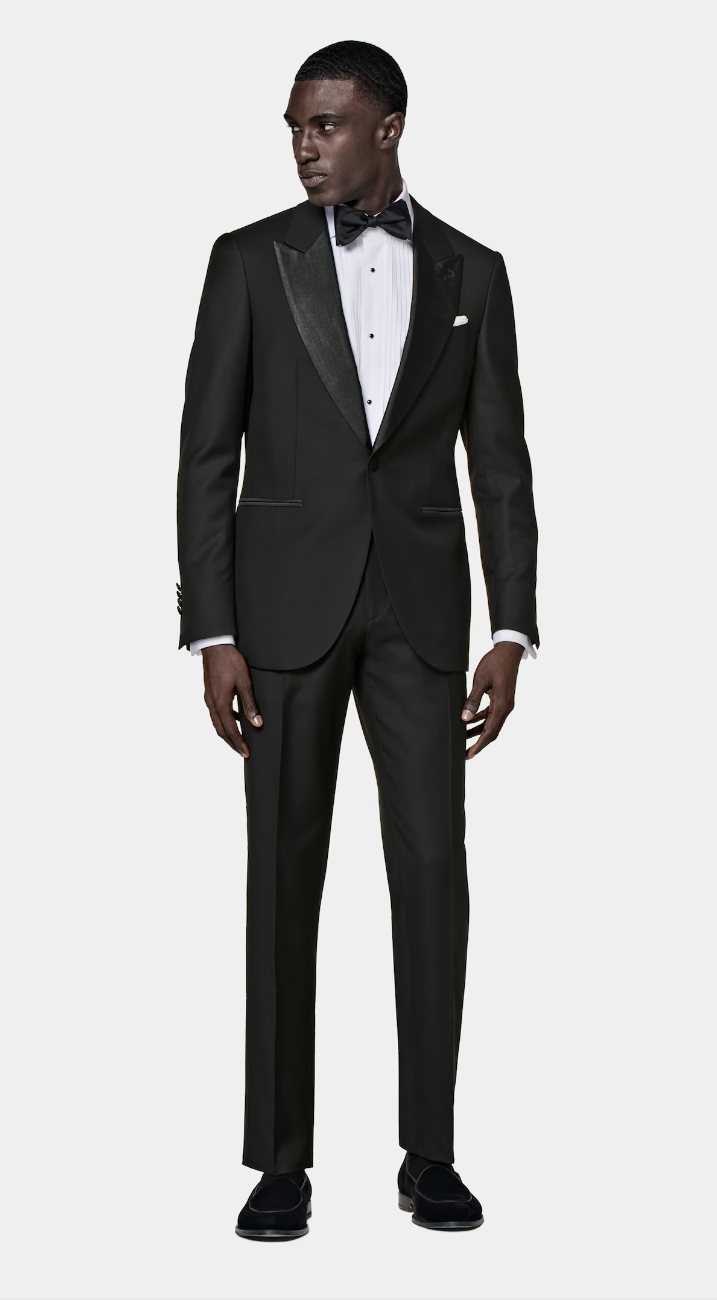
Length: The jacket should fully cover your seat and fall to about the bottom of your zipper in front. Too short reads trendy (and risky) and too long looks dated. When your arms hang naturally, the jacket hem should sit around where your fingers curl.
Shoulders: This is non-negotiable. The shoulder seam should end exactly where your shoulder ends. No divots, no overhang. If the shoulders are wrong, tailoring will be much more difficult.
Chest & Waist: Button the jacket and look for a clean line with no pulling, no X-shaped wrinkles. You should be able to slide a flat hand between your chest and the jacket comfortably. A slight taper at the waist is ideal; boxy kills the tux vibe.
The Sleeves: The Goldilocks Zone
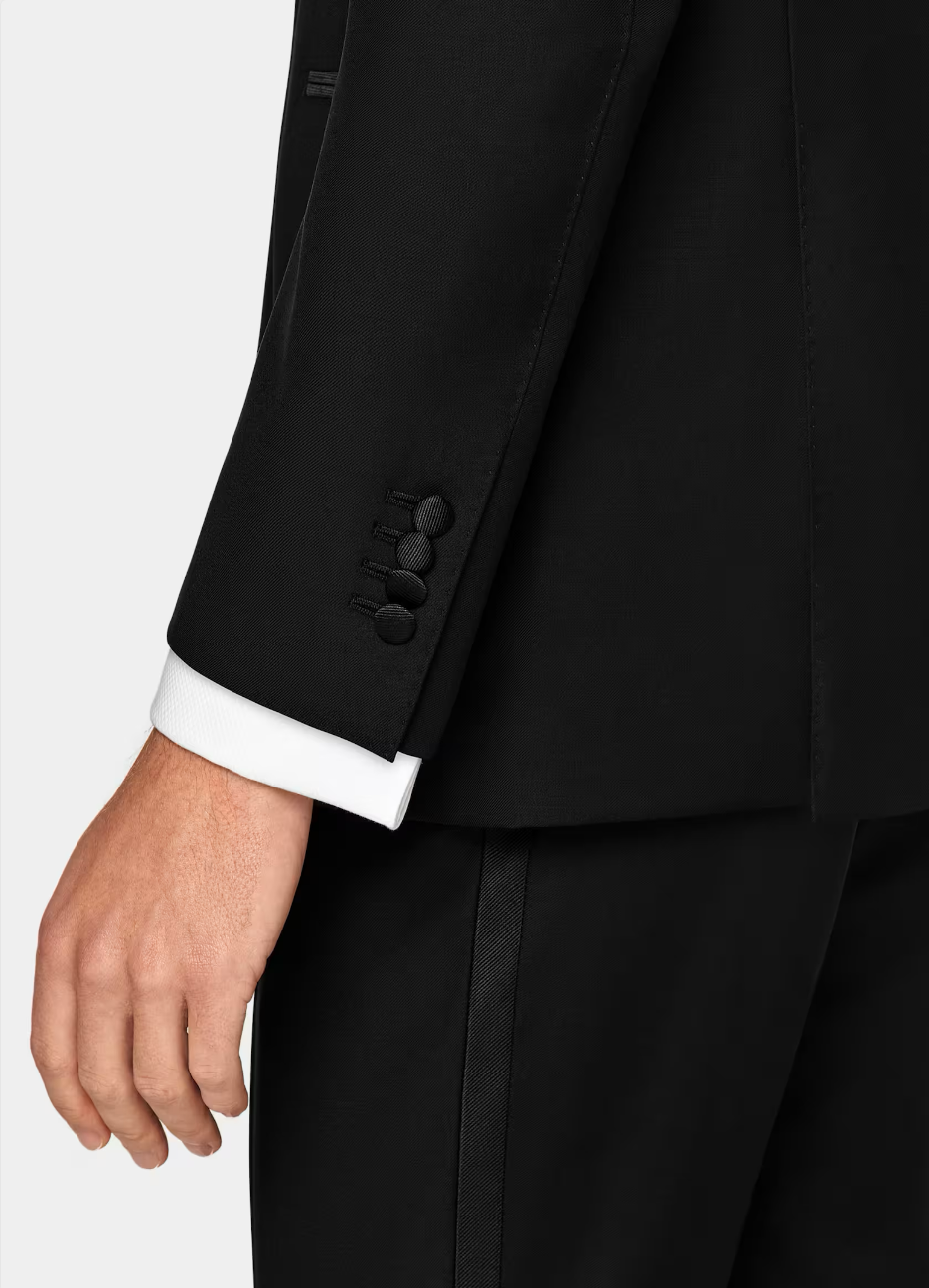
Your jacket sleeves should hit right at the wrist bone, allowing ¼–½ inch of shirt cuff to show. This detail matters more than people think. It’s one of the clearest signs of a well-fitted tux. If the sleeves cover your shirt cuffs completely, the jacket is too long. If too much cuff is showing, it feels much less intentional.
The Shirt: Clean, Structured, Sharp
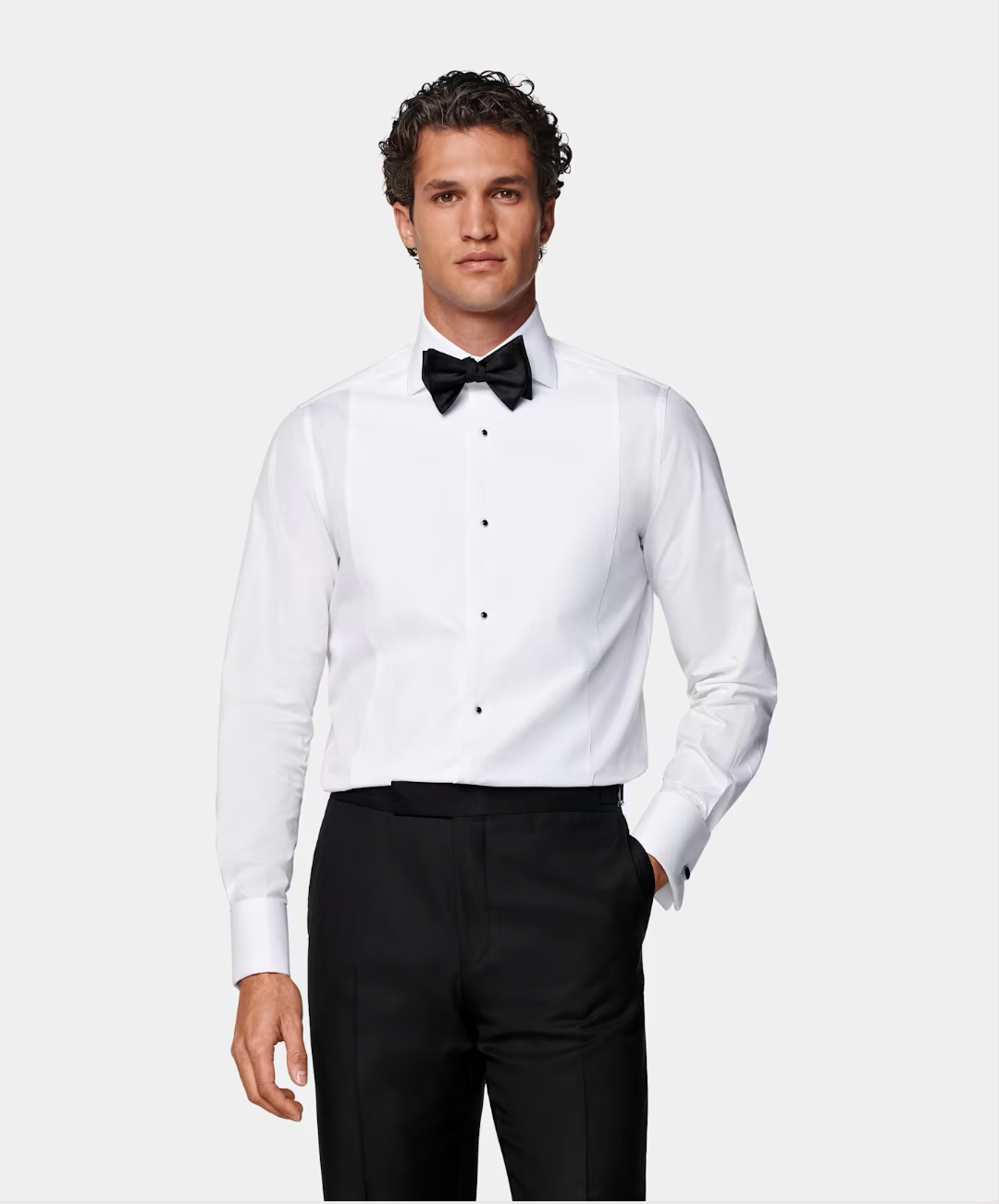
Fit: A tux shirt should be trim but never tight. You want clean lines through the chest and torso without pulling at the buttons. Pleated or pique fronts should lie flat.
Collar: The collar should hug the neck without squeezing. You should be able to fit one finger comfortably between your neck and the collar when buttoned.
Sleeves: Shirt sleeves should end right at the wrist crease so the cuff sits perfectly under the jacket sleeve and peeks out just enough.
The Trousers: Understated and Precise
Rise: Tux trousers traditionally sit a bit higher than everyday pants, closer to your natural waist. This creates a longer leg line and keeps the shirt neatly tucked.
Length (Break): Aim for no break or a very slight break. Tux trousers should skim the top of the shoe, not pool or bunch.
Leg Opening: Slim, but not skinny. The line from hip to ankle should feel elegant and uninterrupted.
Final Fit Check: The Mirror Test
Stand naturally. Button the jacket. Ask yourself:
Do the shoulders look clean?
Is the jacket pulling or collapsing anywhere?
Can I move comfortably without strain?
Does everything feel intentional?
Do I feel confident?
If the answer is yes, you’re there.
The Bottom Line
A tux should feel effortless, balanced, and timeless. Working with a knowledgeable fitter makes all the difference. When the fit is right, you don’t just look dressed up, you feel dressed up. And that’s the goal.
Join our @midlionnaire Instagram community for more insights and product recommendations
